
About This Recipe
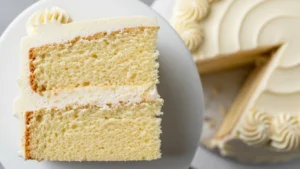
A truly great vanilla cake recipe is a must-have for every baker. This one gives you:
- Soft, fluffy, moist vanilla cake layers
- Rich vanilla flavor (not bland or eggy)
- A simple, creamy vanilla buttercream frosting
- Reliable results for birthdays, holidays, and “just because” baking
You’ll make two 8-inch layers, frost them with classic vanilla buttercream, and end up with a bakery-style cake that’s versatile enough to decorate for any occasion.
Ingredients: What You’ll Need
For the Vanilla Cake (Two 8-inch Layers)
- 2½ cups (312 g) all-purpose flour, spooned and leveled
- 2½ tsp baking powder
- ½ tsp baking soda
- ½ tsp fine sea salt
- ¾ cup (170 g) unsalted butter, softened to room temperature
- 1½ cups (300 g) granulated sugar
- 3 large eggs, room temperature
- 1½–2 Tbsp pure vanilla extract (yes, tablespoons for real flavor)
- 1¼ cups (300 ml) buttermilk, room temperature
For the Vanilla Buttercream
- 1 cup (226 g) unsalted butter, softened
- 3½–4 cups (420–480 g) powdered sugar, sifted
- 3–5 Tbsp heavy cream or milk
- 2–3 tsp vanilla extract
- ¼ tsp fine sea salt
(Optional: sprinkles, fresh berries, or flowers for decorating)
Instructions: Step-by-Step Preparation
1. Prep Pans & Oven
- Preheat oven to 180°C.
- Grease and flour two 20 cm (8-inch) round cake pans, or line the bottoms with parchment circles and grease the sides.
2. Mix Dry Ingredients
- In a medium bowl, whisk together:
- Flour
- Baking powder
- Baking soda
- Salt
Set aside.
3. Cream Butter & Sugar
- In a large bowl, beat softened butter and sugar together on medium-high speed until pale and fluffy, about 3–4 minutes.
- Scrape down the bowl as needed; proper creaming helps the cake rise and stay light.
4. Add Eggs & Vanilla
- Add eggs one at a time, beating well after each addition until fully incorporated.
- Beat in vanilla extract. The batter should look thick and creamy.
5. Alternate Dry Ingredients & Buttermilk
- With the mixer on low, add the dry ingredients in 3 additions, alternating with buttermilk in 2 additions:
- Dry → Buttermilk → Dry → Buttermilk → Dry
- Mix only until just combined, and no streaks of flour remain. Don’t overmix or the cake can be dense.
6. Bake the Cake
- Divide batter evenly between the prepared pans and smooth the tops.
- Bake at 180°C for 25–30 minutes, or until:
- Tops are lightly golden
- A toothpick inserted in the center comes out clean or with a few moist crumbs
- Cool cakes in pans for 10–15 minutes.
- Turn out onto wire racks, remove parchment, and let cool completely before frosting.
Make the Vanilla Buttercream
- In a large bowl, beat softened butter on medium-high speed until creamy and lightened, about 2–3 minutes.
- Add 2 cups of powdered sugar and mix on low until combined, then on medium until smooth.
- Add vanilla, salt, and 3 Tbsp cream/milk; beat to combine.
- Gradually add the remaining powdered sugar, beating between additions, until you reach:
- Your desired sweetness
- A thick but spreadable consistency
- If frosting is too thick, add more cream/milk 1 Tbsp at a time. If too thin, add more powdered sugar.
- Beat 1–2 minutes more until fluffy and smooth.
Assemble the Vanilla Cake
- If necessary, level any domed tops with a serrated knife.
- Place one cake layer on a serving plate or cake stand.
- Spread a generous layer of vanilla buttercream over the top.
- Place the second layer on top, pressing gently.
- Apply a thin “crumb coat” of frosting around the sides and on top; chill for 15–20 minutes to set.
- Frost the cake fully with the remaining buttercream, smoothing or swirling as you like.
- Decorate with sprinkles, berries, or simple piping if desired.
Let the cake sit for about 20 minutes before slicing for the neatest cuts.
How to Store It
- Room Temperature (Cool Room):
- Cover and store for 1–2 days.
- Refrigerator:
- Store covered for 3–4 days.
- Bring to room temperature 30–45 minutes before serving for the best texture.
Smart Ingredient Swaps
- No Buttermilk:
- Use 1¼ cups milk + 1 Tbsp lemon juice or vinegar. Stir and let sit 5–10 minutes.
- Extra Moist Vanilla Cake:
- Replace ¼ cup (57 g) of the butter with ¼ cup (60 ml) neutral oil.
- Almond Vanilla Cake:
- Use 1 Tbsp vanilla + 1 tsp almond extract instead of all vanilla.
- Gluten-Free:
- Use a 1:1 gluten-free baking flour blend; check the package for best cake use.
How to Serve It
- Simple:
- Serve plain—this vanilla cake stands on its own.
- Fancy:
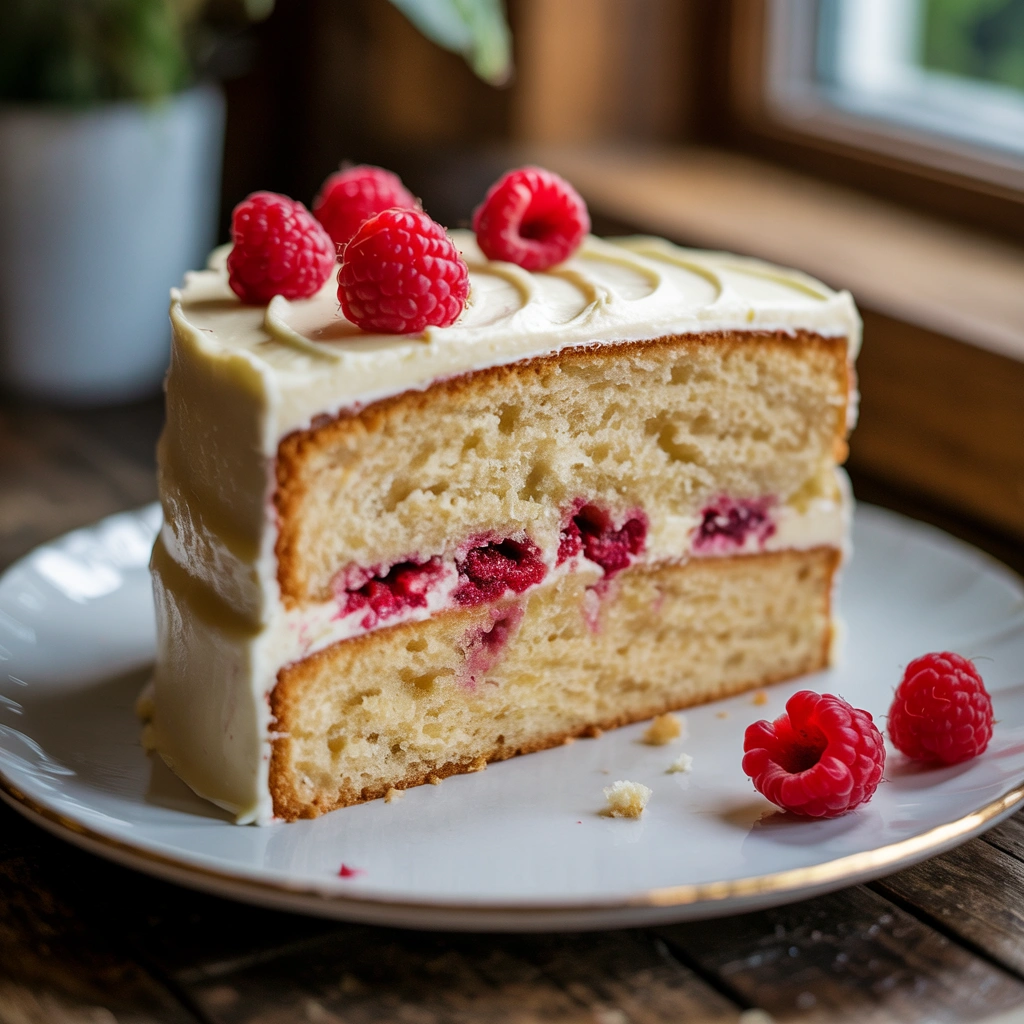
- Add fresh berries between layers and on top.
- Drizzle with a simple berry sauce or caramel.
- For birthdays:
- Top with lots of rainbow sprinkles and birthday candles.
Pairs beautifully with:
- Coffee or tea
- A glass of milk
- Sparkling wine for celebrations
Cultural Background & Personal Touches
Vanilla cake is a cornerstone of Western baking—often the first cake many people learn to make. It serves as the base for:
- Birthday cakes
- Wedding cakes
- Cupcakes and layer cakes of all styles
This version leans toward a classic American butter cake:
- Butter for flavor
- Buttermilk for tenderness and moisture
- Strong vanilla for that nostalgic “bakery cake” aroma
Personal touches that make this recipe special:
- A generous amount of real vanilla extract
- A touch of baking soda to react with buttermilk and improve the rise
- Buttercream that’s not too sweet, balanced with a pinch of salt
Seasonal Variations
- Spring:
- Fill with lemon curd and top with berries.
- Summer:
- Serve with fresh strawberries and whipped cream (like a shortcake cake).
- Fall:
- Add ½ tsp cinnamon and a thin layer of apple compote between layers.
- Winter / Holidays:
- Add almond extract and decorate with sugared cranberries or gold sprinkles.
Freezer-Friendly Version
- Cake Layers:
- Cool completely, then wrap each layer tightly in plastic wrap and foil.
- Freeze up to 2 months. Thaw wrapped at room temp, then frost.
- Frosted Cake:
- Chill until frosting is firm, then wrap well and freeze for up to 1 month.
- Thaw overnight in the fridge, then bring to room temperature before serving.
Frequently Asked Questions
Why is my vanilla cake dense?
- Common causes: overmixing the batter, using cold ingredients, or too much flour.
- Use room-temperature ingredients, measure flour by spooning and leveling, and mix only until combined.
Can I bake this in a 9×13 pan?
- Yes. Grease a 9×13 pan, pour in all the batter, and bake at 180°C for 30–35 minutes, checking for doneness.
Can I make cupcakes with this recipe?
- Absolutely. Fill cupcake liners ⅔ full and bake at 180°C for 16–20 minutes. Makes about 24 cupcakes.
Can I color the cake batter?
- Yes. Add gel food coloring after you mix in the buttermilk, before baking. Great for funfetti or rainbow layers.
Moist Vanilla Cake Recipe (Soft, Fluffy & Perfect for Any Celebration)
Description
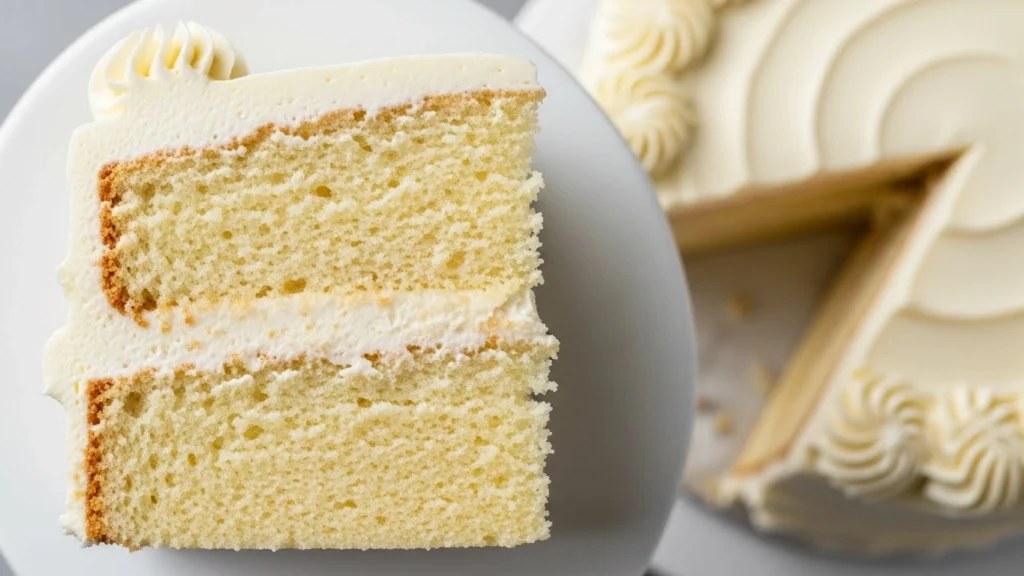
A classic, moist vanilla cake with soft, fluffy layers and creamy vanilla buttercream frosting. This reliable, from-scratch vanilla cake recipe is perfect for birthdays, holidays, and any celebration.
Ingredients
Instructions
- Preheat oven to 180°C. Grease and flour two 20 cm (8-inch) round cake pans or line bottoms with parchment and grease sides.
- In a medium bowl, whisk flour, baking powder, baking soda, and salt.
- In a large bowl, beat butter and sugar until pale and fluffy (3–4 minutes).
- Beat in eggs one at a time, then add vanilla and mix well.
- Add dry ingredients in 3 additions, alternating with buttermilk in 2 additions, beginning and ending with dry. Mix just until combined.
- Divide batter between pans and smooth tops.
- Bake 25–30 minutes, until a toothpick inserted in the center comes out clean or with a few moist crumbs.
- Cool in pans 10–15 minutes, then turn out onto racks and cool completely.
- For buttercream, beat butter until creamy. Add 2 cups of powdered sugar and beat until smooth. Add vanilla, salt, and 3 Tbsp cream/milk; mix. Gradually add remaining powdered sugar, adjusting with extra sugar or cream until frosting is fluffy and spreadable.
- Level cake layers if needed. Place one layer on a serving plate, spread with frosting, top with the second layer, and frost the top and sides. Decorate as desired.
Notes
- Use room-temperature ingredients for the best texture.
Don’t overmix once the flour is added; this keeps the crumb tender.
For cupcakes or a 9×13 pan, adjust baking times as noted above.
Cake layers and frosting can be made ahead; store layers wrapped and frost just before serving.