
About This Recipe
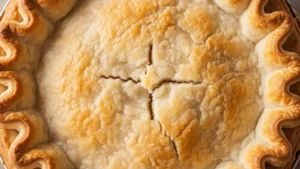
This gluten-free pie crust recipe gives you everything you miss about classic pie dough:
- Buttery, flaky layers
- Dough that actually rolls and transfers to the pan
- A neutral flavor that works for both sweet and savory pies
It’s:
- Made with a 1:1 gluten-free flour blend
- Egg-free, easily dairy-free
- Perfect for pumpkin pies, fruit pies, quiches, and tarts
You can use it as:
- A single crust (pumpkin, pecan, cream pies)
- A double crust (apple, berry pies) – just double the recipe
Ingredients: What You’ll Need
For one 9-inch single gluten-free pie crust
Dry Ingredients
- 1¼ cups (155 g) gluten-free all-purpose flour blend
- Use a 1:1 blend with xanthan gum for best results
- 1 Tbsp granulated sugar (optional; skip for savory pies)
- ½ tsp fine sea salt
- If your blend does not contain xanthan gum, add ¼ tsp xanthan gum
Fat & Liquid
- 8 Tbsp (113 g) cold unsalted butter, cubed
- Or dairy-free buttery sticks for the DF version
- 4–6 Tbsp ice-cold water
- Optional: swap 1–2 Tbsp with cold vodka for extra flakiness
For Blind Baking (if needed)
- Parchment paper
- Pie weights, dried beans, or uncooked rice
Instructions: Step-by-Step Preparation
1. Mix the Dry Ingredients
- In a medium bowl, whisk together:
- Gluten-free flour
- Sugar (if using)
- Salt
- Xanthan gum (if needed)
- Make sure everything is evenly combined.
2. Cut in the Butter
- Add cold, cubed butter to the bowl.
- Using a pastry cutter, two knives, or your fingertips:
- Cut/rub the butter into the flour until you have:
- Mostly pea-sized pieces of butter
- Some smaller, sandy bits
- Cut/rub the butter into the flour until you have:
- Don’t overwork—you want visible butter bits for flakiness.
3. Add Ice Water
- Sprinkle 3–4 Tbsp of ice water over the mixture.
- Gently toss with a fork or your hands.
- Add more water, 1 Tbsp at a time, just until:
- The dough holds together when squeezed
- It’s moist but not wet or sticky
- Gluten-free dough often looks a bit more shaggy—this is normal.
4. Form & Chill the Dough
- Gather the dough into a ball and flatten it into a disc.
- Wrap tightly in plastic wrap.
- Chill for 30–45 minutes (up to 24 hours) to:
- Firm the butter
- Hydrate the gluten-free flour for better texture
5. Roll Out the Crust
- Place chilled dough between two sheets of parchment paper.
- Roll from the center outward into a 28–30 cm (11–12 inch) circle.
- If the dough cracks:
- Gently press it back together with your fingers
- Peel off the top parchment.
6. Transfer to the Pie Dish
- Invert the dough over a 9-inch pie dish:
- Place the dish on top of the dough
- Slide your hand underneath the bottom parchment
- Flip everything over
- Gently peel off the remaining parchment.
- Ease dough into the corners (don’t stretch).
- Trim overhang to ~2 cm, then:
- Fold under and crimp edges, or
- Press with a fork for a simple border
At this point, you can fill and bake (for pies that bake with filling) or blind bake (for cream pies or pre-baked crust).
How to Blind Bake a Gluten-Free Pie Crust
For a fully baked crust (cream pies, custards that set in the fridge):
- Preheat oven to 190°C.
- Prick the bottom of the crust lightly with a fork.
- Line with parchment and fill with pie weights/dried beans.
- Bake 15 minutes.
- Carefully remove parchment and weights.
- Bake 10–15 more minutes, until:
- Bottom looks dry
- Edges are golden brown
- Cool completely before filling.
For a partially baked crust (pumpkin, pecan pies):
- Follow the same steps, but bake:
- 10–12 minutes with weights
- 5–8 minutes without weights
How to Store It
- Unbaked dough disc:
- Wrap well and refrigerate for up to 2 days.
- Rolled dough in pan (unbaked):
- Wrap the entire pan and refrigerate up to 24 hours.
- Blind-baked crust:
- Cool completely, cover, and keep at room temp for 1 day, or refrigerate up to 3 days.
Smart Ingredient Swaps
- Dairy-free:
- Use vegan butter sticks (not soft tub margarine).
- Sugar-free:
- Omit sugar or use a small amount of a granulated sugar substitute.
- Whole-grain vibe:
- Replace 2–3 Tbsp of the GF flour with certified gluten-free oat flour or sorghum flour.
- All-butter vs shortening:
- You can replace up to 3 Tbsp butter with cold shortening for extra tenderness and less shrinkage.
How to Serve It
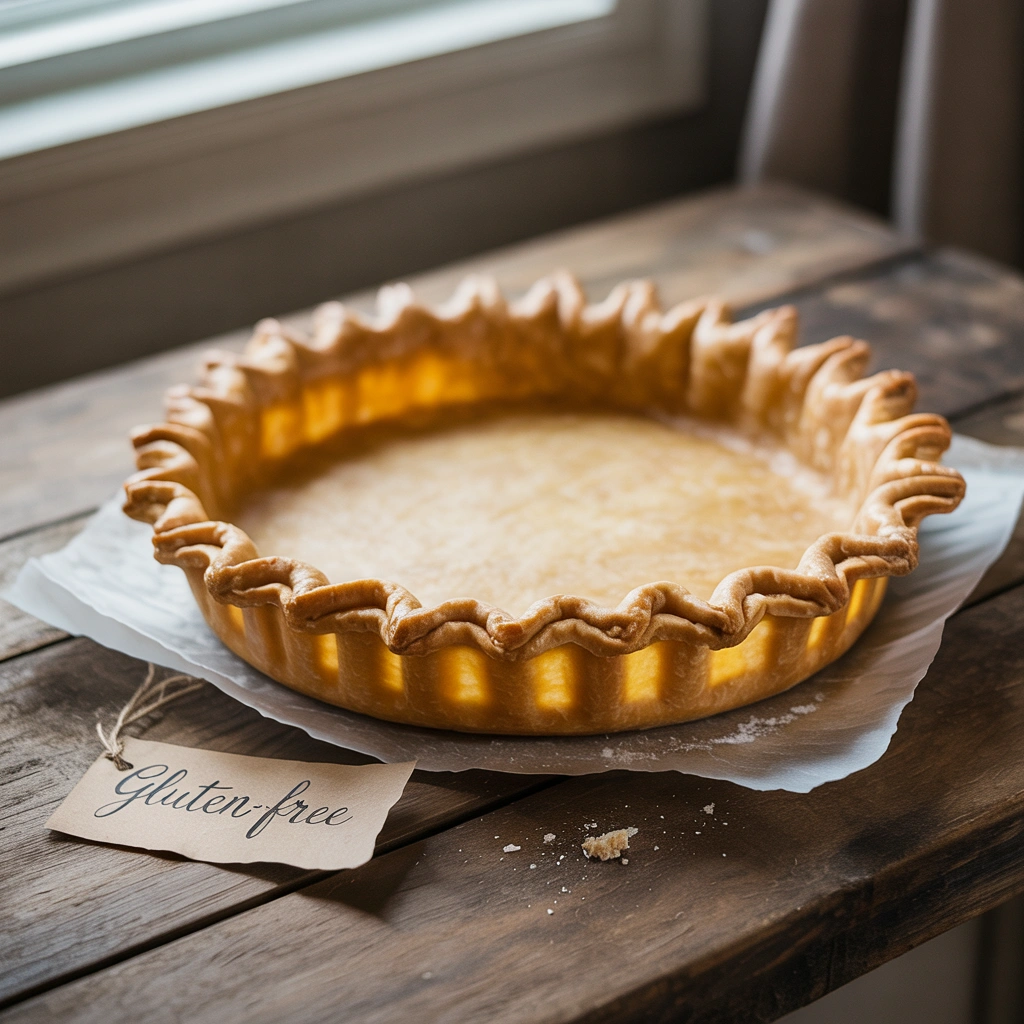
Use this gluten-free pie crust for:
- Sweet pies:
- Pumpkin, pecan, apple, berry, cherry, banana cream, chocolate cream
- Savory pies & quiche:
- Quiche Lorraine, vegetable quiche, chicken pot pie
For savory fillings, simply:
- Skip the sugar
- Optionally add:
- ½ tsp dried thyme, rosemary, or cracked black pepper to the flour
Cultural Background & Personal Touches
Traditional pie dough relies on wheat gluten for stretch and structure. Gluten-free crusts can be:
- Crumbly
- Hard to roll
- Prone to cracking
This recipe uses:
- A good 1:1 gluten-free flour blend with xanthan
- Cold butter and minimal water
- Parchment for easy rolling
Personal touches that help:
- A little sugar in the dough for better browning and flavor (even in many sweet pies)
- Optional vodka in the liquid to keep the crust tender
- Rolling between parchment so you never fight sticky or fragile dough
Seasonal Variations
- Fall & Thanksgiving:
- Use for pumpkin, sweet potato, or apple pie.
- Winter Holidays:
- Pecan, chocolate chess, cranberry custard pies.
- Spring:
- Strawberry cream, lemon meringue, coconut cream.
- Summer:
- Fresh peach, blueberry, or no-bake cream pies in a blind-baked shell.
Tried & Tested Feedback
Gluten-free bakers often find this style of crust:
- Rolls more easily than many GF recipes
- Tastes close to traditional pastry
- Works well as both single and double crust (when doubled)
Freezer-Friendly Version
- Unbaked dough:
- Wrap tightly in plastic, then in foil.
- Freeze up to 2 months. Thaw overnight in the fridge before rolling.
- Unbaked crust in pan:
- Freeze on a flat surface until solid, then wrap well.
- Bake from frozen, adding 5–10 minutes to blind-baking times.
Frequently Asked Questions
Why is my gluten-free dough cracking?
- GF dough is more delicate. Make sure it’s:
- Not too cold (leave at room temp 5–10 minutes)
- Rolled between parchment
- Patched with extra dough where needed—it’s very forgiving.
Can I make a double-crust pie with this?
- Yes. Simply double the recipe and divide into 2 discs. Keep the second disc chilled until ready to roll the top crust.
Do I really need xanthan gum?
- If your flour blend doesn’t contain it, adding a small amount helps the crust hold together and slice more cleanly.
Can I skip blind baking?
- For very wet fillings (like custard or pumpkin), a partial blind bake is strongly recommended to avoid a soggy bottom.
Final Thoughts
A good gluten-free pie crust recipe is a game changer: suddenly, every favorite pie—holiday or everyday—is back on the menu. With simple ingredients and a few handling tricks, you can bake flaky, buttery pies that no one will guess are gluten-free.
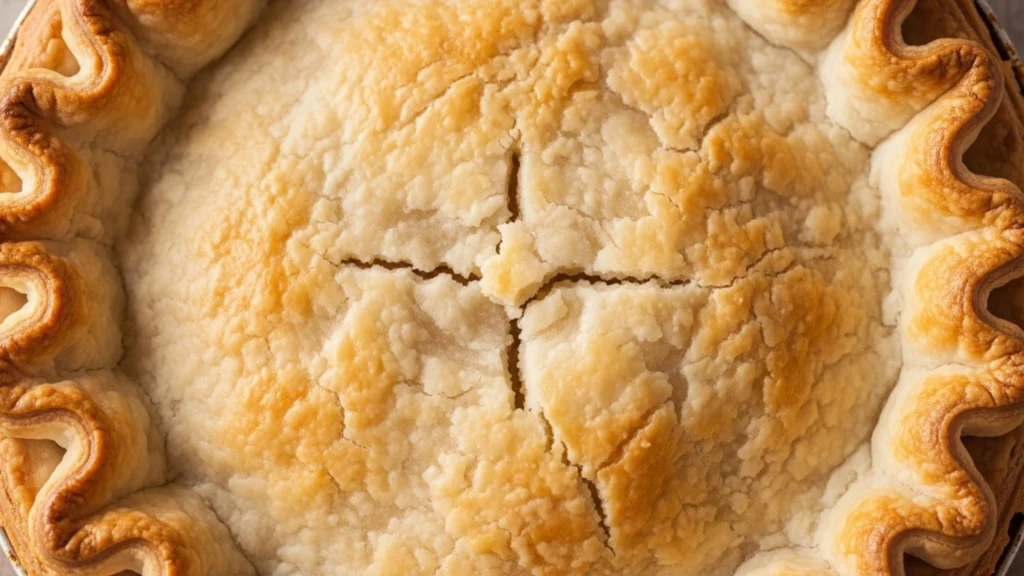
Foolproof Gluten-Free Pie Crust (Flaky, Buttery & Easy to Roll)
Description
A flaky, buttery gluten-free pie crust made with a 1:1 gluten-free flour blend. Easy to roll, simple to blind-bake, and perfect for both sweet pies and savory quiches.
Ingredients
Instructions
- In a bowl, whisk gluten-free flour, sugar (if using), salt, and xanthan gum (if needed).
- Add cold butter cubes and cut in with a pastry cutter or fingers until pea-sized pieces remain with some smaller crumbs.
- Sprinkle 3–4 Tbsp ice water over the mixture, tossing gently. Add more water 1 Tbsp at a time until the dough just comes together when squeezed.
- Shape into a disc, wrap in plastic, and chill 30–45 minutes.
- Place dough between two sheets of parchment and roll into an 11–12 inch circle.
- Invert over a 9-inch pie dish, peel off parchment, and gently ease dough into the pan. Trim and crimp edges.
- For a blind-baked crust, preheat the oven to 190°C. Prick the bottom with a fork, line with parchment, and fill with pie weights.
- Bake 15 minutes, remove weights and parchment, then bake 10–15 minutes more, until golden and dry. Cool completely before filling.
Notes
- Double the recipe for a double-crust pie.
For dairy-free, use vegan butter sticks instead of butter.
If the dough cracks, simply patch and press it back together.
Par-bake (partially blind-bake) for very wet fillings like pumpkin or pecan.